‘Baby Botox’ is booming - but largely unregulated in Scotland. A new Bill could change that.
This is the second article in this year’s series of student publications written as part of GO Justice’s Journalism for Social Change Project. The initiative was designed to support students interested in social justice to develop their journalistic writing skills and create a finished piece of writing for publication. We are delighted to share that all articles were selected to appear in The National newspaper. Here we publish a selection of the finished works.
After years of Instagram comments full of heart-eyes and overzealous enquires about her cosmetic procedures of choice, Hailey Bieber stressed in a podcast interview last month that she will not be considering Botox treatments in her face until she is in her 30s. The viral clips saw the 28-year-old divulge that she much prefers “vampire facials”, where her own blood is extracted and re-injected.
Fear of aging has the internet elites partaking in increasingly gothic procedures that have little evidence to suggest effectiveness. While many might associate cosmetic surgery with the shame-filled early noughties, its popularity has skyrocketed again in recent years: 2023 saw 11% of the UK’s population (7.7 million) receive some form of aesthetic treatment and the UK’s aesthetics industry is predicted to be valued at over £3.6 billion by the end of 2025.
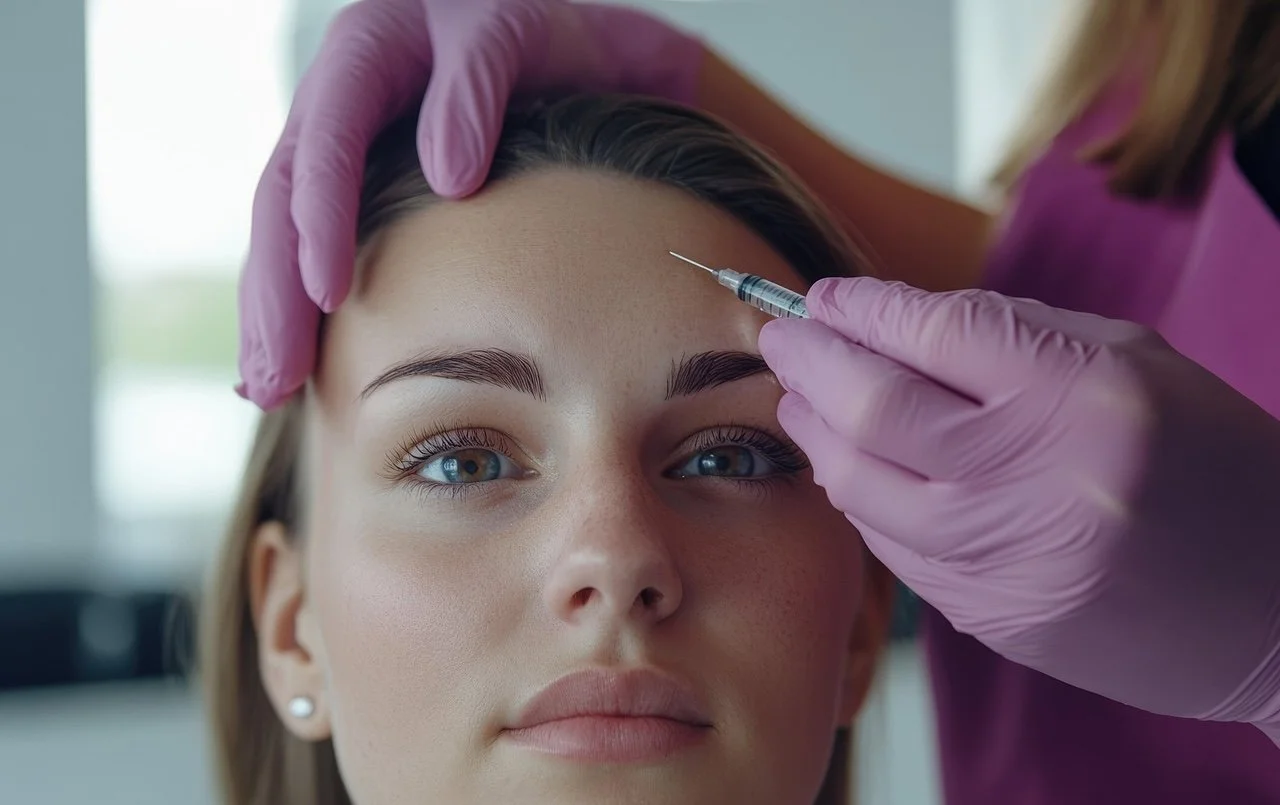
The largest contributor to this industry, here at home and globally, has been non-invasive treatments such as soft tissue fillers, botulinum toxin (Botox) and microneedling - where tiny needles are used to create hundreds of punctures in the skin, apparently stimulating the healing process. These treatments have become more affordable and available to the general public as demand has increased, leading to a very blasé approach towards what are often seen as ‘lunchbreak treatments’. But now, the Scottish Parliament is considering a new Bill that could finally regulate the industry and protect its patients.
If you are to believe creators on TikTok, you should be considering ‘Baby Botox’ from as early as 25. It is feminist to choose injectable filler and transform your face. Microneedling your eyebrows is actually a hack to save time in the mornings. The obsession with aesthetics doesn’t end. An ever-growing niche of the internet is cosmetic ‘surgeons’ who claim to be able to identify all the ‘work’ a celebrity has had done using ‘before’ and after’ images.
The casual approach to these treatments can be attributed, at least in part, to social media and influencers. Earlier this year, Kylie Jenner very proudly left a TikTok comment detailing the exact measurements she requested of her surgeon for her boob job. This tonal shift may come as a surprise to anyone who followed Jenner in the early stages of her notoriety, where she outright denied accusations of receiving lip filler. Avoiding content surrounding cosmetic treatments has become a Herculean task for women and girls across the globe. If it isn’t Instagram and TikTok creators, then it is the cast of Love Island or Hollywood’s most recent nepo baby. The constant slew of anti-aging propaganda regurgitated across every domain has created a culture of ‘quick-fix’ cosmetic treatments.
These saccharine conversations regarding non-surgical procedures rarely ever touch on the dangers associated with such treatments. The demand for procedures has opened a Pandora’s box of underqualified practitioners and unprotected clients. Troublingly, there is currently little by way of legislation or regulatory bodies available in Scotland to provide protection.
But in October, the Scottish Parliament’s Health, Social Care and Sport Committee brought forward the Non-Surgical Procedures and Functions of Medical Reviewer (Scotland) Bill. This Bill and its contents have been a long time coming in an industry that is extremely unregulated and therefore, extremely unsafe for clients. When speaking about the Bill, Public Health Minister Jenni Minto said the government’s aim was to “ensure there is robust and proportionate regulation in place so that anyone who chooses to have these procedures can do so safely.”
The Bill address some of the glaring issues that are prevalent in the industry. Primarily, it seeks to ensure that certain non-surgical cosmetic and well-being procedures meet strict hygiene and safety standards. If they don’t - or if they’re not provided by appropriately trained healthcare professionals, or given to under-18s - providers can be punished by law, and clients could receive compensation.
By strengthening the role of medical reviewers, who will have the power to enter and search premises they suspect are in breach of regulations, the legislation will lead to better documentation, higher reporting standards and more consistent recording of incidents - a game-changer for those pursuing legal compensation.
In the worst-case scenarios, thorough professional review means clients will no longer be left to prove the existence of harm in an industry that has never been expected to keep detailed documentation. In turn, solicitors will be able to rely on standardised rules of practice and patients’ records to support their cases.
This Bill levels the playing field for patients that have previously been left to blindly trust their treatment providers. It strengthens the right to legal compensation, demands transparency, and puts patient welfare at the forefront. For individuals seeking justice after medical negligence or personal injury, the Bill seeks to create a more trustworthy and equitable system. Which is exactly what modern healthcare should strive to deliver.
In an industry built on appearances and a culture obsessed with effortless perfection, the transparency and honesty that this legislation could inject may be the most radical change of all.
~ June Thomas
Image credit: this image was generated by AI.
This article first appeared in The National newspaper: https://www.thenational.scot/politics/25661426.scotland-finally-faces-baby-botox-boom/