Scotland generates more power than it needs – so why can’t families afford to heat their homes?
This year sees the third iteration of GO Justice’s Journalism for Social Change Project. The initiative was designed to support students interested in social justice to develop their journalistic writing skills and create a finished piece of writing for publication.
A small group of students was selected to work with a journalist to learn writing techniques and develop story ideas before working on a draft for publication.
The School of Law is delighted to be publishing this series as part of Pro Bono Week 2026, 2 November - 6 November. You can find details of the activities that GO Justice is running as part of Pro Bono Week on the GO Justice Centre LinkedIn page.
By Francesca Yland
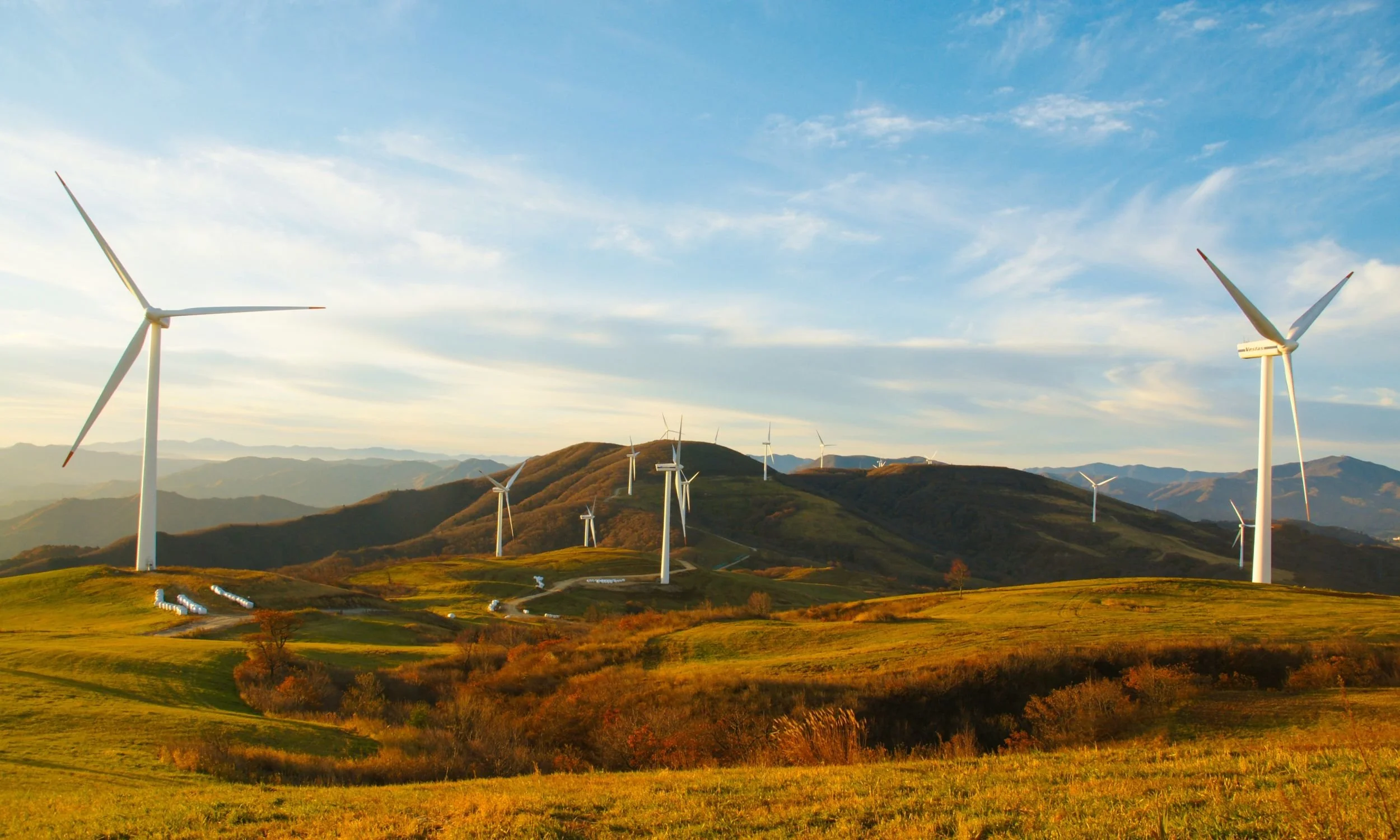
On windy nights in northern Scotland, turbines turn hard enough to power millions of homes. Inside many of those homes, families sit shivering, deciding whether they can afford to put the heating on.
Scotland is among the windiest countries in Europe, and its wind farms account for nearly half of the UK’s total wind power capacity. In 2025, its turbines generated 40% more electricity than the whole country uses in a year. Despite this, more than one in four of Scotland's homes face fuel poverty, with those living alongside the turbines facing some of the highest costs to heat their homes.
A household is described as in fuel poverty when it costs 10% or more of its income, after housing costs, to keep warm. Orkney and Shetland’s landscapes are lined with turbines. It seems instinctive then that the people living there wouldn’t have to worry about their energy usage – or that it would at least be cheap enough to afford. Instead, close to half of the households living there find their energy bills eating into their income. In Orkney, the figure reaches 51%, the highest in Scotland. There are several reasons for this, but one of the biggest lies in government policy: a planning and approval system that takes years to approve the power lines needed to transport this energy to where it is needed.
The problem begins with how the homes on the islands are heated. The vast majority of homes in mainland Britain are connected to the gas grid, a network of underground pipes that deliver natural gas to people's homes to power their boilers, heating their homes and water.
For Orkney and Shetland, however, the situation is different. These islands' remote locations mean that they are not connected to the gas network, as laying gas pipes across the sea to serve a small population would be far too costly and laborious. Since there’s no mains gas there at all, they are forced to use alternatives – electricity, in most cases.
In Shetland, 58% of the population relies on electricity as their primary heating source. In Orkney, this number jumps to 70%. Unfortunately for them, electricity costs about three times as much as gas per unit, meaning that a home with standard electric heaters pays three times more to heat their property.
The UK follows a marginal pricing system. The cheapest power stations – wind, solar, and nuclear – are used first, as they cost little to run once built. Gas plants, which have to buy the fuel they burn, are only switched on when those cheaper sources can’t meet demand on their own. The catch is that whichever station is switched on last sets the price for all the electricity sold at that moment, and in Britain, that is usually gas. Even if a single gas-fired plant in England has to switch on for a short time to meet total UK demand, everyone has to pay the gas-driven price, often double the cost of onshore wind. Orkney and Shetland are bound to the same pricing mechanism, however much of their power comes from wind.
In 2021, gas set the price of power 97% of the time despite the fact that it generated 37% of the UK’s electricity. As more renewables have come online, this has fallen to around 60% in 2026, still more than half. For comparison, in France – a global leader in terms of nuclear energy – gas only sets the price of power around 7% of the time. This is because they rarely need to turn on gas plants in order to meet marginal demand, consequently shielding their consumers from the volatile gas markets.
The impact of this pricing mechanism is not limited to the islands. Across Scotland, more than four in ten households heated by electricity struggle to pay their energy bills.
The obvious fix to this would be to build more wind turbines so that gas power stations don’t need to be turned on as often. But Scotland already has an abundance of wind and turbines. The real problem is getting that power to where it is needed. The current grid system is built as such that even if new turbines were to be made, there wouldn't be enough power lines to carry it.
In 2025, a record 10TWh of renewable power was wasted due to grid congestion – when power lines do not have the capacity to carry all of the electricity being generated – with 8.8TWh in northern Scotland alone. The UK government has acknowledged this concern, calling the grid a “massive impediment” to many projects, and committed to expansion in its Clean Power 2030 Action Plan.
Unfortunately, development in the UK remains incredibly slow, and new power lines currently take 12–14 years from planning to switch-on. Wind farms, in contrast, are built in only half that time, meaning that new turbines are often ready long before there are power lines to carry what they produce. A line proposed today might not switch on until the late 2030s, and every winter in between, the delay lands on Scottish families’ bills.
Grid construction inevitably takes years, especially for major power lines, but much of the fixable delay lies in the approval system. Securing consent alone currently takes between two and four years, slowed by environmental assessments, lengthy consultations, staff shortages and, above all, public inquiries. New lines often mean rows of giant pylons across the open countryside, sparking debate from councils who object due to landscape, tourism or health concerns.
Until this year, a single council objection automatically triggered an inquiry – a formal hearing before a government-appointed planning official – that roughly doubled the wait. The Beauly-Denny inquiry, regarding a 137-mile overhead transmission line, spanned a full 11 months, drawing more than 17,000 objections and taking 105 days of live hearings.
The good news is that the government is already taking a proactive approach to addressing these concerns and speeding up the approval process. In 2022 the energy regulator Ofgem, backing the government’s 2030 targets, created a fast-track framework to streamline funding approval for grid expansion and cut its assessment stages. And in February this year the automatic trigger for public inquiries was removed, with planning officials now responsible for deciding whether an inquiry is needed or whether a site visit or written evidence will do. Power companies say approvals should take no longer than a year; whether these reforms will achieve that, however, remains to be seen.
Every year a decision is delayed, families across Scotland keep paying gas-driven prices to heat their homes, while the wind outside goes to waste. And as winter sets in, the cost of waiting only grows.